Learn how to simplify your dumpster rental experience for projects of all sizes, ensuring a seamless and cost-effective solution. Whether you're undertaking a small home renovation or a large-scale construction project, gaining insights into the dumpster rental process can save you time and money. This comprehensive guide will walk you through assessing your needs, selecting the right size, and choosing a provider. Additionally, you'll learn how to prepare for delivery and pickup, maximize efficiency, and consider environmental factors. By the end, you'll be equipped with knowledge to streamline your experience with dumpster rentals.
Understanding Your Dumpster Needs
Before renting a dumpster, it's crucial to assess your project's size and waste volume. Accurately estimating the amount of waste you'll generate helps in choosing the correct dumpster size, ensuring you don't overpay or underestimate space. Consider the nature of your project, whether it's a basement cleanout, yard overhaul, or construction site, and align it with your waste management needs. Generally, for projects of different scales, waste volume can vary significantly, so staying aware of these discrepancies is key. Additionally, understanding common practices such as separating recyclables from non-recyclables can further streamline your process.
Different projects demand different types of dumpster rentals. Roll-off dumpsters are ideal for substantial projects thanks to their large capacity and wheels, which allow easy drop-off. For smaller projects, such as minor residential tasks, smaller, more economically sized dumpsters may suffice. It's important to research the types available, ranging from front-loading dumpsters for regular bulk disposal to rear-loading ones for municipal use. Understanding these differences ensures that you select the type of dumpster rental best suited for your specific project requirements.
Another vital aspect of dumpster rental is estimating the duration of use. According to Procurement IQ, the typical or standard rental period in the market is a 5 to 10-day window, although this can vary based on project and provider terms. Accurately forecasting project duration helps avoid unnecessary rental fees or early pickups that could disrupt your workflow. It's beneficial to work with rental companies that offer flexible terms, especially for long-term projects. Understanding these timeframes aids in adequately preparing your schedule for efficient waste management.
Local regulations and restrictions must also be considered when planning your dumpster rentals. Many municipalities have specific guidelines on where dumpsters can be placed and for how long, especially concerning residential areas. Understanding these regulations ensures compliance and avoids legal or financial penalties. Renting from a company familiar with local laws can simplify this aspect of the process. Additionally, accounting for factors such as permits for street placement can avert delays and ensure smooth project execution.
Identifying the nature of your waste materials is essential for proper disposal. Differentiating between hazardous and non-hazardous waste helps in determining the appropriate type of dumpster and the legal waste management procedures to follow. Hazardous materials, such as asbestos or chemicals, require special handling due to their environmental and health risks. Many companies that offer dumpster rentals provide guidance on safely managing these materials. By clarifying this aspect at the onset, you ensure compliance with disposal laws and protect the environment.
Selecting the Right Dumpster Size
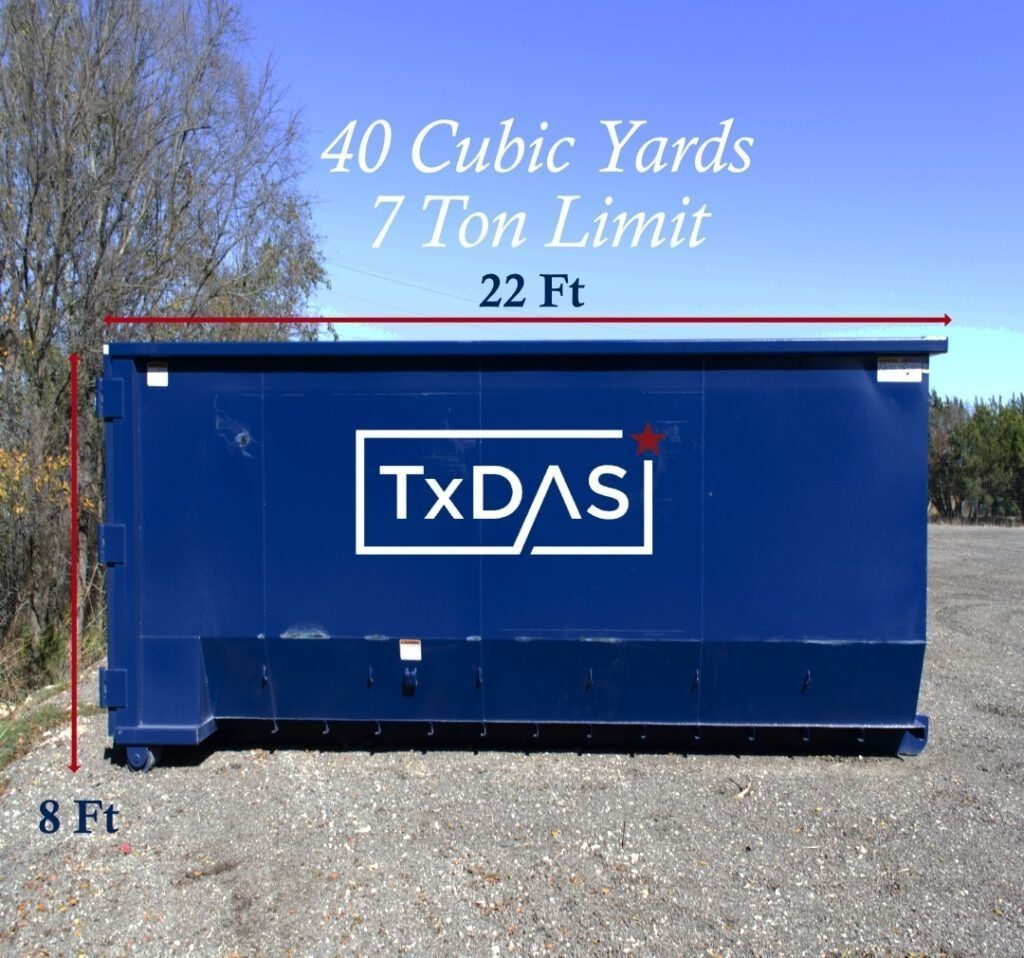
Choosing the right dumpster size is critical for balancing cost and efficiency. In our experience, common sizes range from 10-yard containers suitable for small cleanouts to large 40-yard ones for extensive construction projects. Understanding the typical uses of these sizes can guide you in making an informed choice. For instance, we've found that a 20-yard dumpster is often used for medium-sized renovations or garage cleanouts. Selecting the correct size ensures that you only pay for what you use, avoiding unnecessary expenses for an oversized container.
The benefits of selecting the right dumpster size extend beyond cost efficiency. Adequately sized dumpsters prevent overflow and the need for additional pickups, which can cause delays and extra fees. Furthermore, a well-chosen dumpster size can aid in maintaining a tidy workspace by preventing clutter and improving site safety. Thus, assessing your needs carefully before committing to a size can enhance overall project efficiency. Providers can often assist with size estimates based on project type and anticipated waste volume.
While commercial and construction projects typically require larger dumpsters, residential needs often involve different considerations. In our experience, many residential projects, such as kitchen renovations or yard cleanups, can be managed with 10 to 15-yard dumpsters. These smaller units are easier to accommodate on residential properties, especially with limited space or restrictive municipal guidelines. Additionally, their smaller footprint makes them less intrusive to neighbors and traffic. Communication with your provider about residential restrictions ensures your selection aligns with local requirements.
Preparing for Dumpster Delivery and Pickup
Proper preparation for dumpster delivery and pickup enhances the rental experience and minimizes disruptions. A crucial step is choosing the optimal location for the dumpster, ensuring it accommodates the rental size and allows for safe and convenient access. The chosen spot must possess the necessary clearance space for the delivery truck's maneuvers. A spacious driveway or unoccupied parking spot is usually suitable for this purpose. Ensuring a clear understanding of placement options with your rental provider can enhance the efficiency of both delivery and pickup processes.
Access and clearance for delivery are critical to prevent logistical issues. Verify that the chosen location is unobstructed by vehicles or other structures that could hinder the delivery truck. Additionally, consider the surface where the dumpster will sit, as different surfaces bear weight differently, affecting whether you need plywood or protective measures to prevent damage. The rental company can often provide guidelines on what is necessary for their particular equipment. By ensuring easy access, you facilitate a seamless delivery process, avoiding potential delays.
Safety measures play an essential role in preventing accidents during dumpster use. Ensure that the placement is not only practical but also respects safety guidelines, such as maintaining a visible and flat surface to avoid tipping. Clear the area of any potential hazards, ensuring pathways remain obstacle-free for effective loading and unloading. Providers may offer advice on safety practices particular to their dumpsters and safety features. Adhering to these precautions protects both property and individuals involved in the project.
Maximizing Dumpster Rental Efficiency
To maximize the efficiency of your dumpster rentals, proper organization of waste is essential. Organize your waste products so that heavier, compact items are at the bottom, maximizing available space and preventing potential overflow. Group similar materials together to facilitate recycling and efficient sorting at disposal facilities. As you load, be mindful of the weight distribution to avoid tipping or exceeding weight limits, which can accrue additional charges. Adhering to these guidelines maximizes space and ensures cost-effectiveness.
Recycling and donating reusable materials is another effective strategy to reduce waste. By separating recyclables and donating items in good condition, you can decrease the volume of waste needing disposal, further economizing on rental costs. Many communities have designated donation centers or recycling facilities to support these efforts. Engaging community resources not only benefits the environment but also supports local organizations and minimizes the environmental footprint of your project. Focusing on recycling and donation can extend your budget by reducing landfill fees.
An often overlooked aspect of maximizing efficiency is staying within permissible waste limits. Familiarizing yourself with the provider's restrictions on weight and material type is crucial to avoid penalties. Implementing regular checks on the waste volume during your project ensures adherence to these limits, allowing you to address any potential issues proactively. Documented tracking also aids in future project planning by providing a reliable reference on waste output. This systematic approach to waste management safeguards against exceeding permissible thresholds.
Dumpster rental can be a straightforward and rewarding process when you properly assess your needs, choose the right size, and partner with a reliable provider, all while maintaining environmental responsibility. By understanding your project needs, navigating regulations, and fostering sustainable practices, you ensure seamless integration into your project plan. This guided approach streamlines waste management and maximizes both efficiency and cost-effectiveness. Align these fundamentals with careful planning and monitoring to enhance project success. Ultimately, an informed dumpster rental strategy supports project goals and environmental stewardship alike. If you're searching for dumpster rentals that will maximize your project's efficiency, reach out to our team at Texas Dumpsters and Services today!