By Steve Hill
July 12, 2026
Managing debris efficiently is a critical component of executing any successful construction or demolition project. Without a strategic waste management plan, worksites can quickly become cluttered, creating severe safety hazards and causing costly operational delays. Project managers must accurately estimate the volume and weight of the waste materials their activities will generate before breaking ground. According to Wasteadvantagemag.com, construction and demolition (C&D) waste is a concerning global problem that is expected to reach an estimated 2.2 billion tons annually by 2025. Selecting appropriate dumpster rentals ensures that this massive volume of discarded material is handled responsibly and efficiently from start to finish.
Estimating Total Project Debris Volume
Accurately calculating the sheer mass of expected waste represents the initial phase of planning your job site logistics. Different phases of a build generate vastly different types of refuse, ranging from lightweight drywall scraps to heavy concrete blocks. If a manager underestimates the total volume, the site will quickly experience overflow issues that disrupt active labor forces. Consulting with experienced providers allows you to evaluate your architectural blueprints to match your specific scrap output with appropriate container dimensions. Securing optimal dumpster rentals at the onset prevents material backlogs and maintains a highly productive, streamlined workflow throughout the entire development process.
Assessing Small-Scale Renovation Requirements
Evaluating minor residential or commercial remodeling tasks involves identifying the container capacity needed for localized interior updates. Smaller assignments, such as tearing out a residential bathroom or replacing old hallway flooring, produce a modest but dense amount of trash. For these compact ventures, a ten-yard container typically offers sufficient volume without taking up excessive space in a driveway or parking lot. Utilizing targeted dumpster rentals for these minor updates keeps your operational footprint small while providing a centralized location for discarded plaster and old fixtures. This proactive planning keeps small worksites highly organized and completely free of tripping hazards.
Evaluating Medium-Sized Construction Loads
Analyzing moderate development operations requires scaling up your waste management strategy to accommodate larger quantities of mixed materials. Projects like a full kitchen remodel, a multi-room flooring replacement, or a modest deck detachment generate a significant volume of bulky trash. A twenty-yard container is generally considered the industry standard for these intermediate jobs, providing the perfect balance between physical footprint and volumetric capacity. Securing these mid-sized dumpster rentals allows your crew to discard lengthy wooden framing pieces, old cabinetry, and various packaging materials without constantly worrying about exceeding the maximum rim fill capacity of the container.
Coordinating Large-Scale Demolition Demands
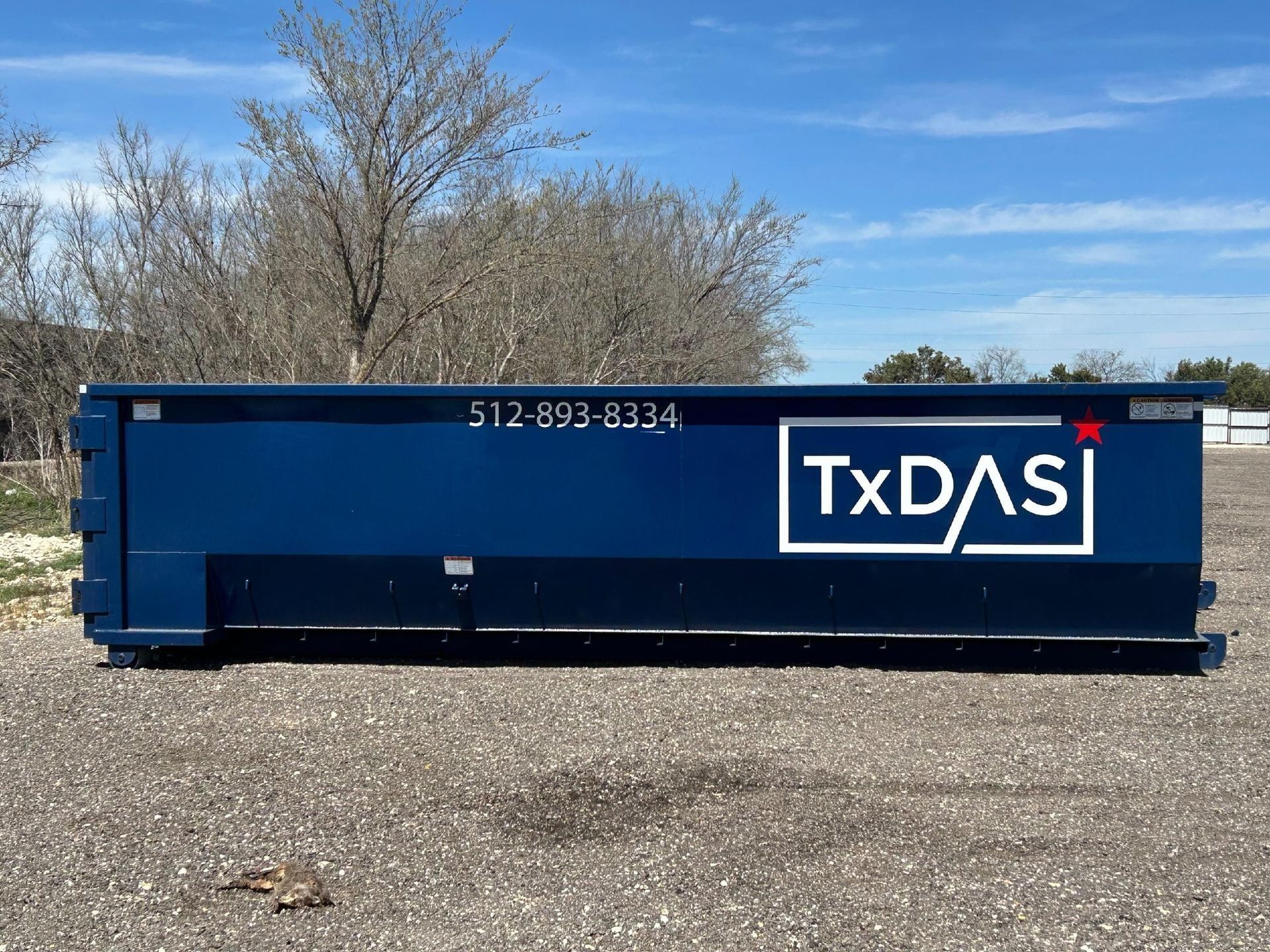
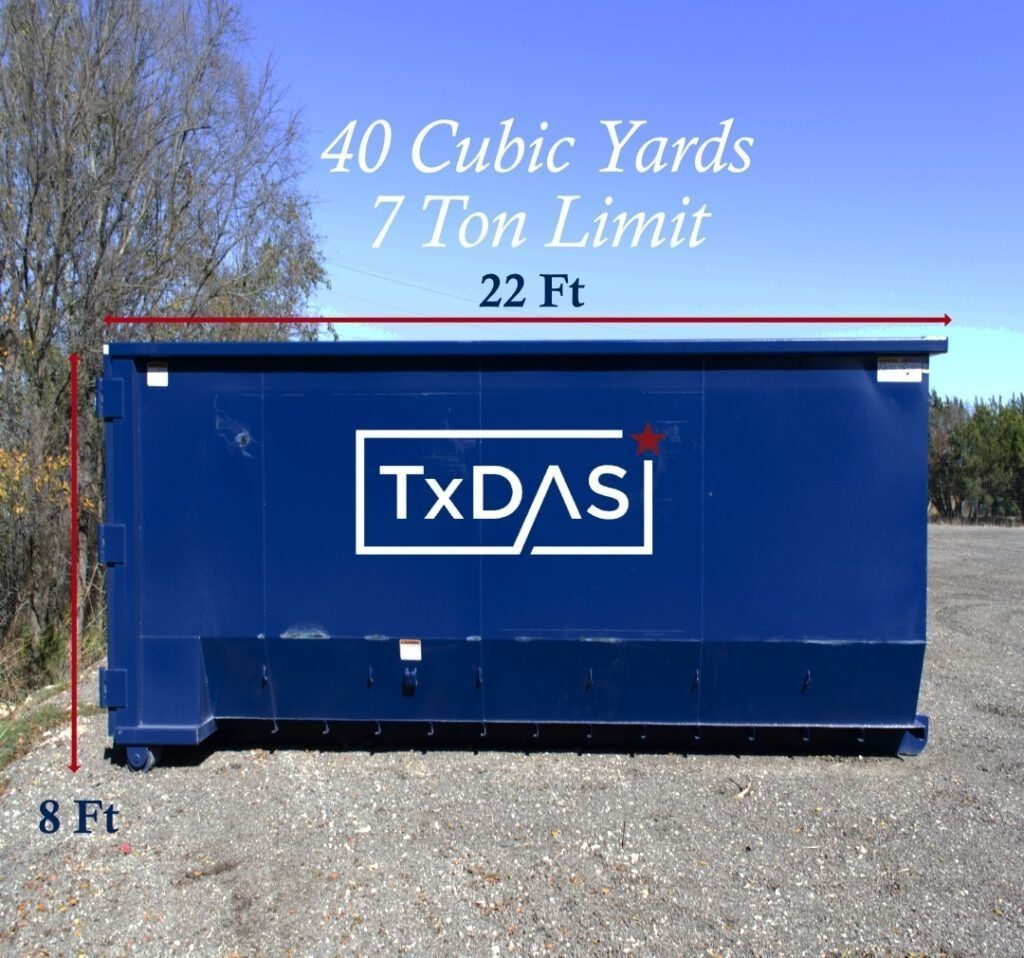
Managing massive structural teardowns necessitates the implementation of heavy-duty waste containment strategies capable of handling immense physical volumes. Complete roof replacements, whole-house gut renovations, and commercial building demolitions generate an overwhelming amount of dense structural debris that requires maximum capacity. A thirty-yard or forty-yard open-top container is essential for these heavy-duty environments, allowing workers to discard large structural elements safely. Securing these massive dumpster rentals ensures that your crew can continuously load bulky items like collapsed roofing trusses, large sections of concrete, and shattered masonry without experiencing any operational downtime.
Analyzing Weight Limit Restrictions
Understanding the difference between physical container volume and legal weight hauling capacities prevents unexpected financial penalties during disposal. Heavy materials like dirt, brick, sand, and asphalt concrete compress tightly but weigh significantly more than general wood or drywall scrap. If a container is overloaded past its legal weight capacity, the transport truck will be legally unable to safely haul it away. Discussing your specific material composition with your supplier ensures you select a container rated for heavy-duty payloads. Proper planning regarding dumpster rentals prevents expensive trip delay fees and ensures compliance with strict highway transport regulations.
Maximizing Available Onsite Spatial Footprints
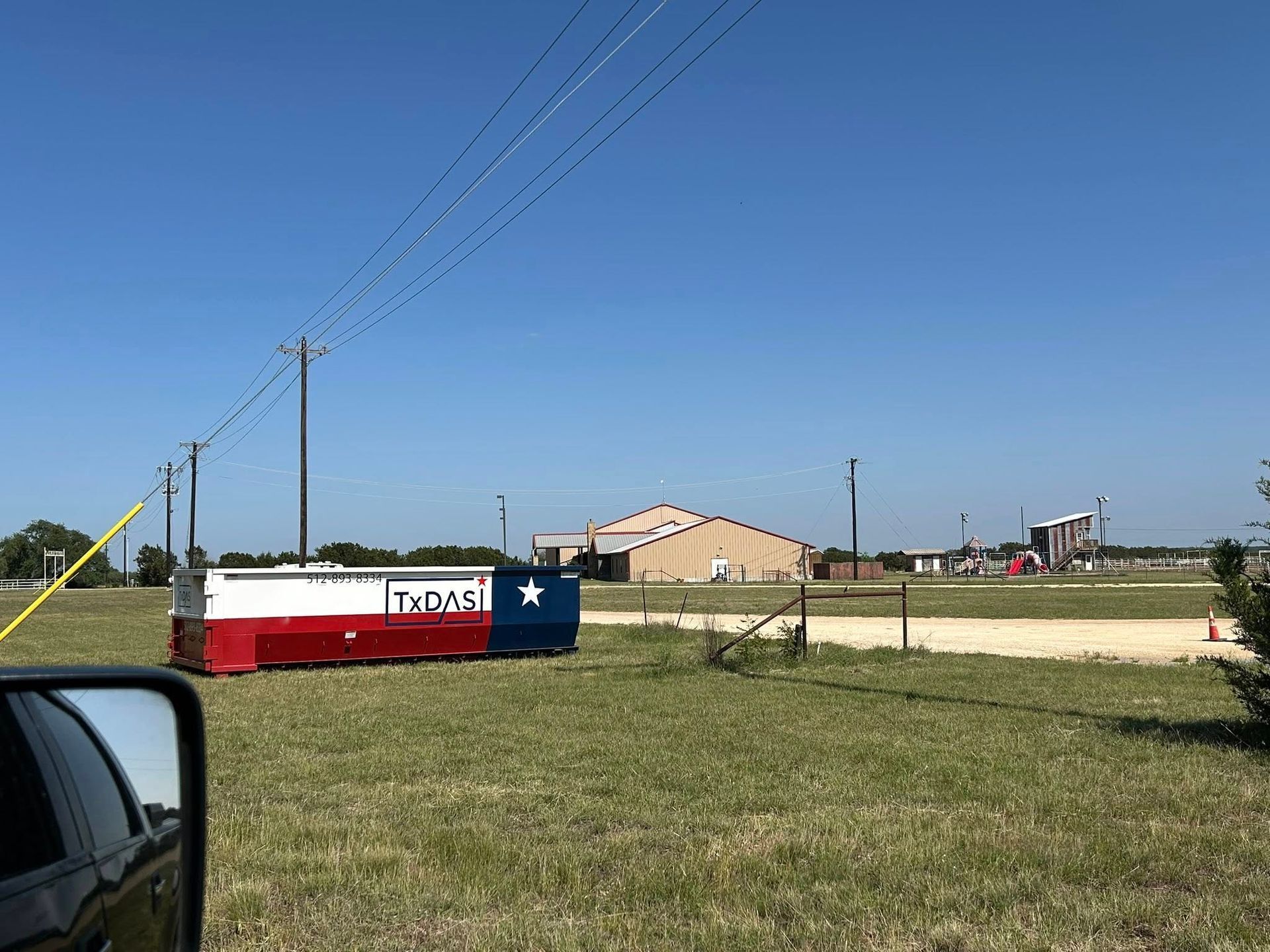
Measuring the physical dimensions of your designated drop-off zone ensures the delivery vehicle can safely navigate and place the container. Large containers require significant ground clearance and a long, flat surface to slide off the delivery truck bed properly. You must check for overhead obstructions such as low-hanging tree branches, electrical power lines, or building overhangs that could impede placement. Coordinating the spatial layout before ordering dumpster rentals guarantees that the unit rests in a highly convenient location that does not block active heavy machinery or vital pedestrian thoroughfares.
Reviewing Local Municipal Permit Regulations
Navigating regional zoning ordinances and street placement guidelines represents a crucial administrative step before finalizing your container delivery date. Many municipal governments require official public space permits if a waste container is placed on a public street, sidewalk, or right-of-way. Failing to secure the proper legal paperwork beforehand can result in steep daily fines or the immediate, forced removal of your container. Informing your chosen provider about the exact placement location helps clarify whether you or the hauling company needs to file the necessary local municipal paperwork.
Separating Recyclable Construction Materials
Implementing an effective waste sorting protocol on your job site enhances environmental sustainability while reducing overall tipping fees at landfills. Many modern disposal facilities offer reduced rates for clean, unmixed loads of recyclable materials such as concrete, scrap metal, or untreated wood. Setting up a multi-container system allows your labor force to segregate valuable materials immediately as they are systematically removed from the structure. Incorporating these specialized dumpsters into your green building workflow minimizes your total carbon footprint and positions your construction enterprise as an environmentally responsible industry leader.
Understanding Prohibited Waste Materials
Familiarizing your entire labor force with strict landfill restrictions prevents dangerous chemical contamination and expensive environmental remediation fines. Hazardous items such as asbestos insulation, wet paint cans, chemical solvents, industrial batteries, and automotive fluids are strictly banned from standard construction containers. If these toxic substances are discovered at the sorting facility, the entire load may be rejected, resulting in severe financial penalties for your business. Discussing alternative disposal methods for hazardous waste with your supplier ensures that your site complies perfectly with all federal and state environmental protection laws.
Comparing Standard Rental Timeframes
Scheduling precise drop-off and pickup dates ensures that your waste containment system aligns perfectly with your active labor schedule. Construction schedules are dynamic, and unexpected weather delays or material shortages can easily push your completion timeline back by several weeks. You should choose a supplier that offers flexible extension policies rather than rigid, short-term agreements that force premature pickups. Securing adaptable dumpsters allows your crew to work at a comfortable, safe pace without the stress of an impending, strict removal deadline disrupting site cleanup efforts.
Finalizing Waste Management Contracts
Reviewing the fine print of your logistics agreement ensures absolute financial clarity and prevents unexpected surcharges on your final invoice. A comprehensive contract should clearly outline the baseline rental rate, included weight allowances, daily extension fees, and specific fuel surcharges. Ask your supplier directly about any potential hidden costs, such as environmental fees or specific heavy-material processing charges. Establishing a transparent financial understanding before delivery guarantees that your project budget remains fully intact, allowing you to focus your valuable energy on completing the actual construction work perfectly.
Executing a seamless construction or demolition operation depends entirely on your ability to maintain a clean, organized, and safe working environment. Choosing the ideal container dimensions protects your budget from unnecessary overage fees while ensuring your crew can dispose of trash without interruption. By partnering with a dependable logistics provider, you gain access to the precise tools and expert guidance necessary to handle immense material volumes responsibly. Ultimately, dedicating time to researching appropriate dumpsters transforms a chaotic, potentially dangerous job site into a highly efficient model of modern, well-regulated structural development. Are you seeking high-quality dumpster rentals in the Central Texas area? The team at Texas Dumpsters and Services is ready to assist! Call today to request a rental quote.