By Steve Hill
August 11, 2026
Managing a construction or renovation site involves juggling multiple moving parts, and waste removal often becomes an afterthought until debris starts piling up. Contractors must keep job sites clean and safe, requiring a reliable system for hauling away discarded materials. Navigating waste management can be tricky, especially when unanticipated expenses appear on the final invoice. When unexpected fees arise, they quickly eat into the profit margins of any project. To keep projects running smoothly, contractors must carefully navigate their agreements for dumpster rental services to ensure they understand every clause. Many contractors assume the initial quote covers every scenario, but the reality is quite different. Additional charges stem from various sources, from how the container is loaded to the specific types of materials placed inside. Recognizing these potential pitfalls before signing an agreement is essential for maintaining control over the project's financial health. By thoroughly reviewing terms and conditions, contractors can avoid unpleasant surprises and ensure waste disposal remains as efficient as the rest of their operations.
Understanding Weight Restrictions
When securing dumpster rental services, one common source of unexpected fees involves exceeding the allowed weight capacity. Every container comes with a specific weight allowance, determined by the vehicle's lifting capacity and transportation regulations. Contractors often underestimate the sheer mass of the debris they generate, particularly with dense materials like roofing shingles or concrete. According to World Metrics, construction and demolition waste constitutes 30% of all waste hauled in roll-off dumpsters. Given the incredibly dense nature of these materials, this high percentage highlights how quickly weight limits can be reached, making weight tracking a critical priority. Filling a container with heavy materials without monitoring the mass will certainly lead to heavy overage penalties. To avoid excess charges, contractors must communicate closely with their provider about the specific materials they plan to dispose of. Discussing project details upfront allows the provider to recommend the appropriate container designed for heavier loads, ensuring the final invoice remains predictable.
Reviewing Prohibited Materials
Another major area where contractors encounter hidden fees within dumpster rental services involves the disposal of prohibited materials. Waste management facilities have strict environmental regulations dictating what can be processed in standard landfills. Items such as liquid paints, chemical solvents, batteries, and certain appliances are typically banned from standard disposal containers. If a contractor inadvertently tosses these restricted items into the bin, the provider will apply significant contamination fees. These penalties cover the additional labor required to manually sort out hazardous items and transport them to specialized facilities. To prevent this, contractors must thoroughly review the list of prohibited items provided by the disposal company before the project begins. It is equally important to educate the entire construction crew about these restrictions. Clearly marking the container or placing a list of banned items near the disposal area serves as a constant reminder for the team. Taking these proactive steps ensures compliance with environmental regulations and eliminates the risk of receiving a surprise bill.
Assessing Rental Periods
Time management is a critical component of any successful construction project, and it directly impacts the terms of dumpster rental services. Most agreements include a base rental period, defining exactly how long the container can remain on the job site. Delays are a common reality in construction, caused by everything from unpredictable weather to supply chain disruptions. When a project falls behind schedule, the need for the waste container naturally extends beyond the initially agreed-upon timeframe. If the container is kept longer than designated, the provider applies daily extension fees. To avoid these late charges, contractors should build a buffer into their estimated rental timeframe right from the start. Anticipating potential delays and securing a slightly longer initial rental period is often more economical than paying extension penalties. Furthermore, if a delay becomes unavoidable, proactively contacting the provider to negotiate an extension can result in a more favorable arrangement. Careful scheduling keeps the project moving forward without incurring unnecessary penalties.
Evaluating Delivery Requirements
The logistics of dropping off and picking up the container can also become a source of unexpected expenses if not properly planned. Contractors utilizing dumpster rental services must ensure the delivery site is fully prepared before the driver arrives. If the delivery location is blocked by construction equipment or parked vehicles, the driver will be unable to drop off the container. This situation results in a failed delivery fee, compensating the company for wasted fuel and time. Similarly, if the pickup driver cannot access the full container when the project is complete, another failed attempt penalty applies. To avoid these charges, contractors must designate a clear, easily accessible drop-off zone and communicate any specific entry instructions to the provider in advance. Securing necessary permits for street placement is also crucial, as failure to do so can result in local fines. By ensuring a smooth and unobstructed process for the driver, contractors can easily bypass delivery and pickup-related penalties.
Clarifying Overage Rules
Beyond strict weight limits, spatial overages represent another common pitfall for contractors managing debris. Every container has a designated fill line, typically marked clearly on the interior walls. Providers of dumpster rental services strictly enforce these fill lines for safety and regulatory reasons. If debris is piled high above the rim of the container, it becomes a severe hazard during transportation. Debris can easily fly out of an overfilled bin while the truck travels down the highway, posing a significant danger to other drivers and risking severe fines. Consequently, drivers will refuse to haul an overfilled container. The contractor will then be forced to remove the excess material manually, delaying the project and potentially incurring a trip charge for the driver's unsuccessful pickup attempt. Training the crew to distribute debris evenly and strictly respect the fill line is the most effective way to maintain safety standards and avoid these spatial overage penalties.
Selecting Proper Sizes
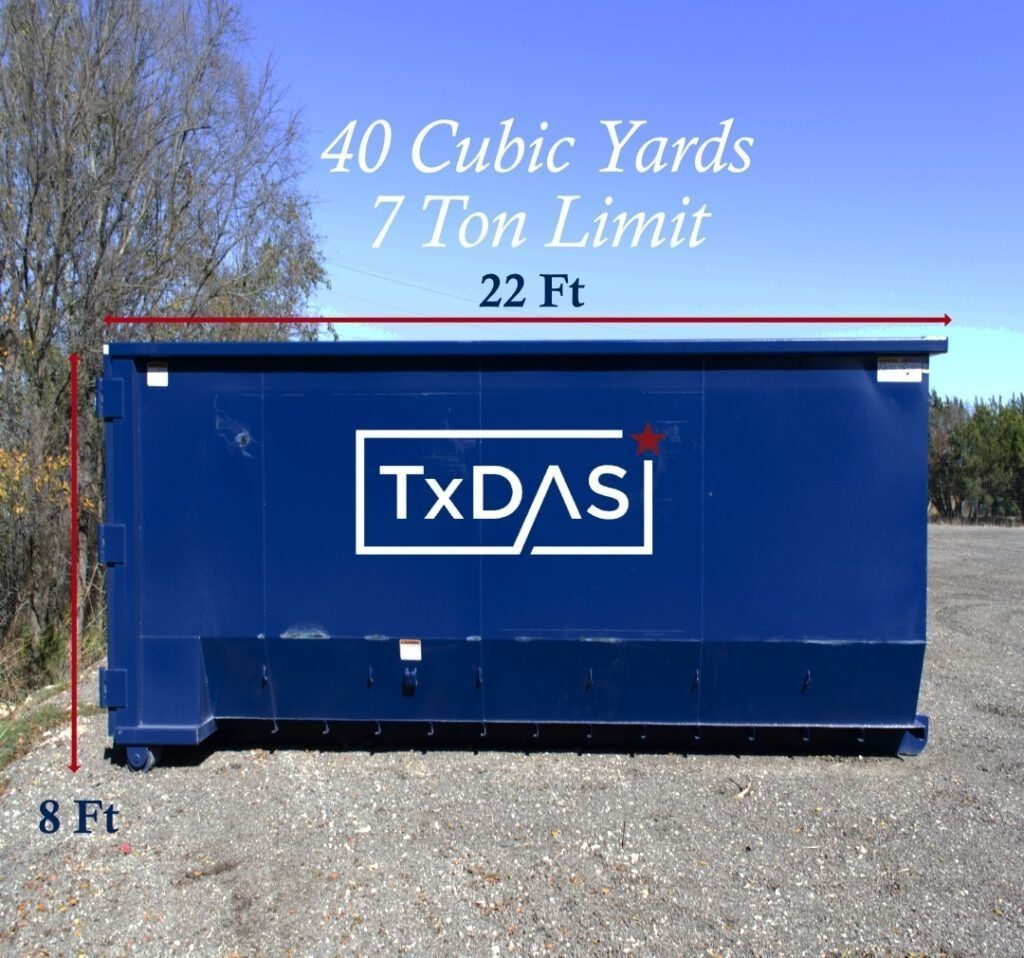
Choosing the correct container size from the outset is perhaps the most fundamental strategy for avoiding unnecessary expenses. Contractors sometimes attempt to conserve their budget upfront by selecting a smaller container, assuming they can compress the debris or squeeze everything in. However, this approach frequently backfires. When a small bin fills up before the project is complete, the contractor must schedule an additional pickup and delivery, effectively doubling the expected transportation fees, and conversely, ordering a massive container for a minor renovation results in paying for unused space. The key to maximizing the value of dumpster rental services lies in accurately estimating the volume of waste a project will produce. Consulting with the provider and describing the scope of work and the types of materials involved can lead to a highly accurate size recommendation. By matching the container size perfectly to the project's unique demands, contractors ensure they have ample room for all debris without paying for multiple hauls.
Managing construction waste effectively requires more than simply tossing materials into a bin. It demands a proactive approach to understanding the terms of your disposal agreement and communicating effectively with your provider. By carefully monitoring material weights, prohibiting hazardous items, anticipating scheduling delays, and choosing the appropriately sized container, contractors can maintain absolute control over their project finances. Staying vigilant about fill lines and delivery logistics further ensures a smooth, uninterrupted workflow from the start of the demolition phase through the final site cleanup. A well-managed waste removal strategy ultimately keeps the entire job site safe, organized, and perfectly aligned with your projected operational timeline. If you are ready for streamlined dumpster rental services that prioritize your project's unique needs, contact us at Texas Dumpsters and Services today. We will help you keep your construction site perfectly clean and free from unexpected disposal complications.