Renting a dumpster for the first time can help organize a home cleanout, renovation, or business project, but choosing a container involves more than finding an open space for it. The amount and type of debris, available room for delivery, and expected project timeline all influence what will work well. Without discussing those details, customers may select a container that does not match the job.
A dumpster rental gives a project a designated place for unwanted materials while a provider handles delivery, pickup, and disposal. First-time customers can approach the process more confidently by understanding the decisions that need to be made before the container arrives. These considerations make the first rental more manageable.
Identify the Materials the Project Will Produce
Start by describing the work rather than guessing at the container you need. A garage cleanout may involve furniture, boxes, and accumulated household items, while a renovation can produce bulky construction debris. An office clearance introduces a different mixture of materials, and a large construction project may generate waste over several stages. Those differences shape the provider's recommendation.
According to Persistencemarketresearch.com, the United States discards approximately 350 million tons of municipal waste annually, with an average household producing about 4.51 pounds of trash each day. Those figures describe ongoing waste generation, whereas a cleanout or renovation concentrates substantial material into a much shorter period. Explaining the nature and scope of that material gives the rental team a better basis for recommending a suitable container.
Choose a Size Based on the Actual Work
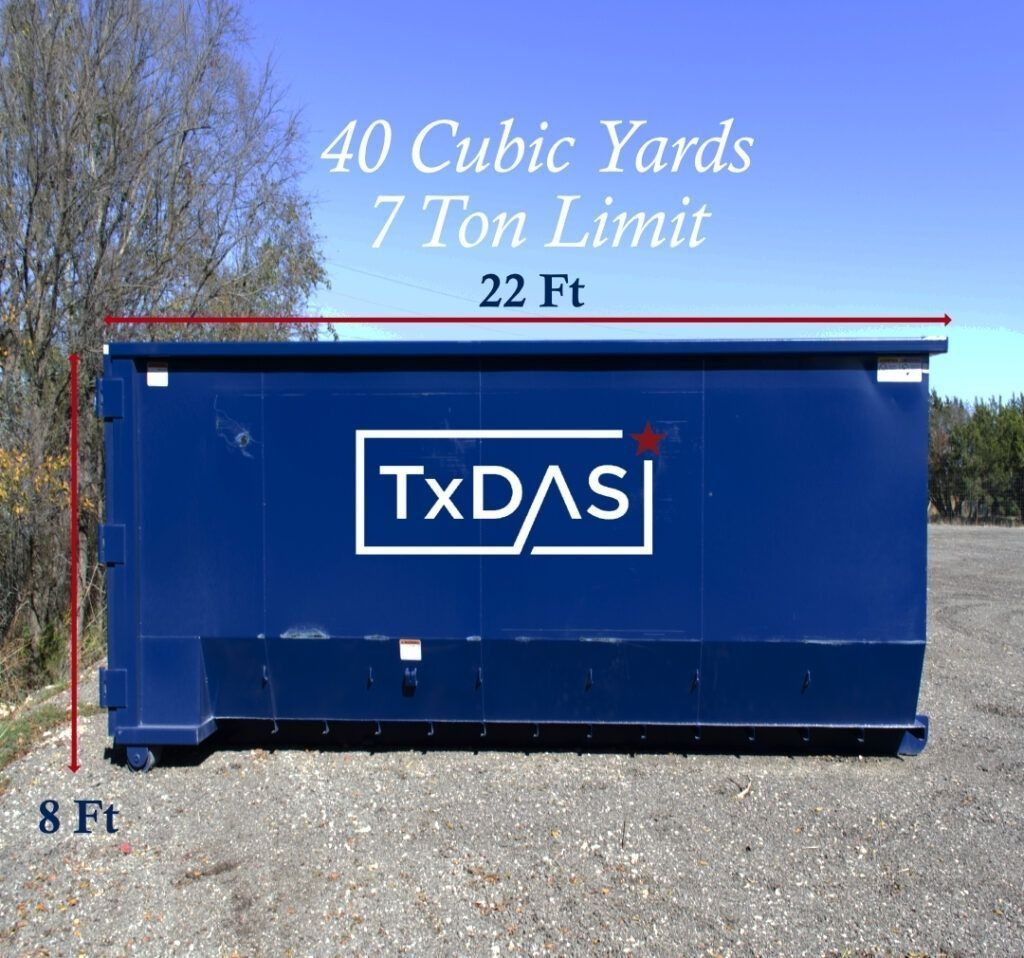
Roll-off containers are offered in different capacities because projects vary widely in the space they require. A 20-yard dumpster may suit a garage cleanout or a smaller renovation, while a 30-yard option can accommodate larger remodels and commercial clearances. A 40-yard container is intended for work generating substantial volumes, such as major construction or extensive demolition. The right choice depends on the debris, not merely the size of the property.
Think about the volume likely to accumulate from beginning to end, including bulky items that cannot be packed into small spaces. A provider experienced with dumpster rental can discuss the project and help compare available capacities. Describe what is being removed rather than choosing from a photograph. Ask how the container's dimensions will fit the location as well as whether its capacity suits the waste expected.
Understand the Difference Between Volume and Weight
The amount of space a dumpster holds is only part of the equation. Some materials occupy a large area without being especially dense, while others add considerable weight despite taking up relatively little room. A container that has remaining space may still be subject to a weight allowance, making debris type an important detail when arranging the rental.
Ask how much tonnage is included and how the allowance applies to the materials you have described. Providers may offer different upfront allowances, so those terms should be clear before the rental begins. In a dumpster rental, understanding capacity and weight together reduces uncertainty about whether the selected container is appropriate. This matters particularly for projects involving substantial construction debris, where volume alone may not reflect the demands of the job.
Discuss Which Materials Are Accepted
A container intended for general cleanout debris should not be assumed to accept every object a project generates. Disposal requirements may differ according to material type and local rules. Rather than discovering a restriction after the dumpster is delivered, describe any unusual items to the rental provider and ask what the selected container can receive.
This conversation also helps distinguish ordinary debris removal from a separate service. For example, commercial metal recycling may be available through a provider that also rents dumpsters, but the availability of recycling does not mean every container is intended for the same materials. Clarify how the material should be handled through the service being booked. Keeping those distinctions clear can prevent avoidable changes to the plan after the work is underway.
Make Sure the Delivery Location Is Suitable
Where the dumpster will sit affects how smoothly the rental proceeds. Driveways and other accessible areas may work for residential jobs, while commercial and construction sites can have different space constraints. The delivery truck needs a suitable approach, and the container should not obstruct areas that must remain in use during the project.
Before arranging delivery, describe the intended placement area, including narrow entrances, overhead obstacles, or limited turning space. A provider can advise whether the available container and delivery arrangement suit those conditions. If the location involves a public street or another controlled space, confirm whether permission is needed from the appropriate authority. Placement planning should account for both delivery and everyday access.
Allow Enough Time for the Project
Some cleanouts are completed in a short period, while renovations and commercial work can continue for much longer. Choosing a rental window that reflects the actual project schedule helps prevent confusion about when the container will be collected. Estimate when debris will begin accumulating and whether the work has stages that could affect the pickup date. Schedules may shift when projects depend on weather or other trades.
A flexible dumpster rental can accommodate projects with different timelines, but the agreed rental period should still be understood from the outset. Ask what happens if the work finishes earlier than planned or requires additional time. On larger construction jobs, it may also be useful to discuss whether a filled container can be exchanged for another. An exchange is a separate scheduling consideration, not something to assume happens automatically when the container becomes full.
Confirm Delivery, Collection, and Communication
First-time customers may focus on the day the container arrives and overlook how it will leave. Clarify what is included in the rental arrangement, particularly delivery, pickup, and disposal. Knowing who coordinates collection and when to request it makes the final stage of the project easier to anticipate. For ongoing work, discuss whether pickup timing must align with other activity at the site.
Clear communication is especially important when plans change. If the project is delayed, access is temporarily restricted, or a container needs to be exchanged, the provider should have enough information to coordinate the next step. A dumpster rental is more manageable when customers understand the provider's role instead of assuming the container will be moved or collected without further discussion. Confirm how to reach the rental team and which details they need for scheduling changes.
Review the Rental Terms Before Confirming
A dumpster rental quote should clarify what the arrangement covers, not simply provide a figure. Ask whether the quote reflects a flat rate, which services are included, what tonnage allowance applies, and how the agreed rental period is defined. These details make it easier to compare the proposed service with the project's actual requirements.
An over-the-phone quote can be helpful when the customer has a clear description of the work, expected debris, preferred container size, and delivery location. If some details remain uncertain, explain them rather than treating an initial assumption as settled. A clear conversation now helps establish what the provider will deliver and what the customer should expect as the project progresses.
For first-time customers, familiarity with the rental process makes a potentially complicated project decision easier to manage. The container should support the work taking place, rather than become another obstacle as plans develop. With 20-, 30-, and 40-yard containers available, our team at Texas Dumpsters and Services can help you choose a suitable size and rental period. Contact us for a free over-the-phone quote to discuss your project.